Written by Scott Nixon


10 East vs 3i Members: What Each Costs and Who Each Fits
10 East vs 3i Members: What Each Costs and Who Each Fits
10 East charges a percentage fee and 3i Members charges flat dues. How the two compare on cost, who picks investments, who can join and regulation.
Scott Nixon
10 East and 3i Members both give accredited investors access to private-market opportunities but charge in opposite ways. 3i Members charges dues, about $18,000 a year as of September 2025, and says it takes no fee or carry on investments. 10 East publishes no membership fee and charges a management fee typically of 1% a year, plus expenses and carry on certain funds. Flat dues favor members who invest heavily; a percentage fee favors those who invest less. Long Angle is free to join and charges 0.55% to 1.00% a year only on what members invest.
Key Takeaways
- 3i Members charges flat dues of about $18,000 a year (September 2025) and says it takes no fee or carry on investments. 10 East charges a management fee typically of 1% a year plus expenses, with carry on certain funds.
- Which costs less depends on how much you invest: flat dues favor heavy, steady investors, and a percentage fee favors those who invest less.
- At 3i, members source and vet opportunities and a member-led committee picks about two a month. At 10 East, its team sources and an advisory board approves every offering.
- 3i admits exited founders, active family offices and fund managers running $1 billion or more, by referral. 10 East's funds are for accredited investors who also meet the qualified client or qualified purchaser tests.
- Neither 3i nor 10 East publishes a member-net track record.
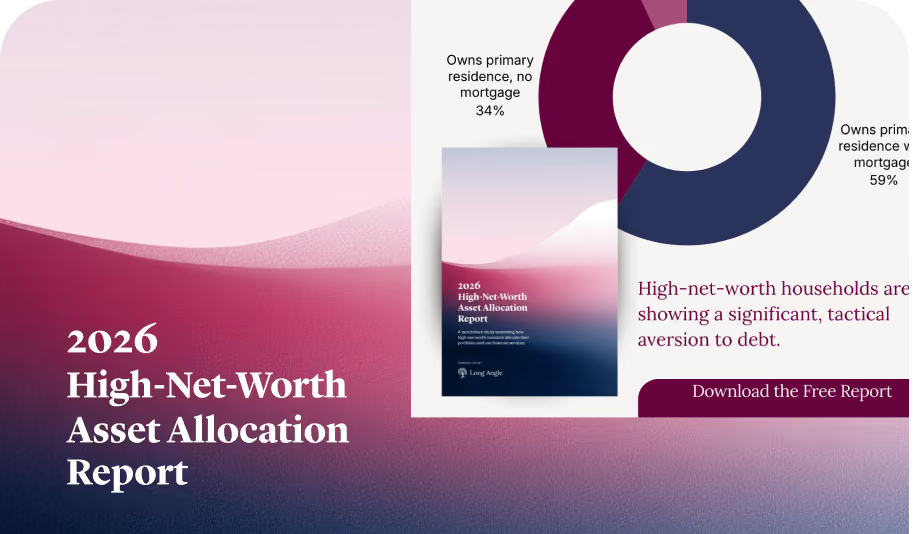
2026 High-Net-Worth Asset Allocation Report
See how high-net-worth investors with an average net worth of $17M are allocating across public equities, private markets, real estate, bonds and cash. Based on benchmark data from 230+ respondents.
10 East vs 3i Members at a Glance
10 East is an investment firm that chooses opportunities for its members; 3i Members is a community whose members bring and vet opportunities together.
Both serve investors who want access to private markets beyond what a bank or wealth manager offers, and both put diligence at the center of their pitch. They differ in who chooses, how they charge and who can join. Long Angle is included as a third reference point.
| 3i Members | 10 East | Long Angle | |
|---|---|---|---|
| Model | Membership community; members bring and vet opportunities | Investment firm; its team sources opportunities | Vetted community; optional investments through its investments team |
| Who picks investments | A member-led committee picks about two a month from about 120 | Its team, with an Investment Advisory Board approving every offering | Its investments team finds and evaluates every offering and negotiates terms before members see it |
| Cost | About $18,000 a year in dues (September 2025); no fee or carry on investments, per its CEO | Management fee typically 1% a year (range 1% to 2%) plus expenses; carry on certain funds | Free to join; 0.55% to 1.00% a year on what members invest; no carry |
| Who can join | By referral: exited founders, active family offices, fund managers running $1B or more | Accredited investors who also meet the qualified client or qualified purchaser tests | More than $3M in household assets, excluding a primary residence; verified |
| Minimum investment | Not published | $100,000 routine on single-opportunity series (smaller amounts accepted); $500,000 on the 2026 fund | Stated with each offering |
| Regulation | Membership business; says it makes no investment choices for members | SEC-registered investment adviser since March 2025 | Long Angle Management, LLC is an SEC-registered investment adviser |
Source: 3i Members CEO Teddy Gold (Allocate Podcast, July 2025; WealthTech on Deck, September 2025); 10 East Partners LLC Form ADV Parts 1A and 2A (August 2026) and Form D filings; longangle.com. Read October 2026.
What Each Costs
10 East and 3i Members charge in opposite ways: 3i through flat dues, 10 East through fees on what you invest.
Cost terms as each firm states them:
- 3i Members: dues of about $18,000 a year (CEO Teddy Gold, September 2025). 3i does not publish its dues and says it takes no fee or carry on investments.
- 10 East: a management fee typically of 1% a year, ranging to 2%, with carried interest on certain funds (Form ADV Part 2A, August 2026). 10 East does not publish its carry rates.
- Long Angle: free to join; 0.55% to 1.00% a year on what members invest. The fee rate is set at the time of each commitment and is reduced based on prior active commitments. No carried interest.
- All three: each option's investment vehicles bear their own expenses, and the underlying fund or sponsor charges its own fees.
Which costs less depends on how much you invest. Flat dues favor members who invest heavily and steadily; a percentage fee favors members who invest less or only now and then, and costs nothing if you don't invest.
How Each Chooses Investments
The main difference between the two is who decides what reaches members: 3i's members, or 10 East's team.
3i Members. Members bring opportunities. A five-person team screens them against a scorecard set by a quarterly member poll, then assembles members with relevant expertise to dig in. A member-led committee reviews about 120 opportunities a month and picks two, which go out by email and on a monthly call. CEO Teddy Gold says the committee chooses what will interest members and does not underwrite. Each member decides whether to invest.
10 East. Its team sources the opportunities. Since August 2025 an Investment Advisory Board has approved every offering before members see it, with final decisions resting with management. Members either join single opportunities one at a time or invest through a discretionary fund, launched in July 2026, in which 10 East picks the investments.
Long Angle. Our investments team finds and evaluates every offering, and negotiates terms for the group, before members see it. Members see the team's memo, including what it does not like, the manager's presentation, the documents and an open member discussion, and each decides whether to invest.
Who Can Join Each
3i admits by referral and by type of investor; 10 East admits by the SEC's investor tests; Long Angle admits by household assets.
3i Members requires a referral from a current member, and CEO Teddy Gold says members must be an exited founder, an active family office or a fund manager running $1 billion or more. Candidates speak with the team and go through background checks.
10 East offers its funds to accredited investors who also meet the qualified client or qualified purchaser tests. Its 2026 fund is open only to qualified purchasers, which for an individual generally means $5 million or more in investments.
Long Angle is open to people with more than $3 million in household assets, excluding a primary residence, and verifies them. Each investment offering states whether it is open to accredited investors or only to qualified purchasers.
How Each Is Regulated and What Each Discloses
10 East and Long Angle each operate through an SEC-registered investment adviser; 3i Members describes itself as a membership business.
10 East. 10 East Partners LLC has been SEC-registered since March 31, 2025. Its adviser brochure discloses that insiders generally take their allocation before an opportunity reaches a fund and usually pay no or reduced fees, that some members receive side letters with different terms, and that investors generally cannot withdraw early. Our 10 East overview quotes those disclosures in full.
3i Members. The operating company is OneCC Software, Inc. 3i says it makes no investment choices for members and takes no economics in the opportunities they invest in. Its one SEC filing, a 2021 Form D, raised money for the company itself. Our 3i Members overview covers its history and figures.
Long Angle. Long Angle Management, LLC is an SEC-registered investment adviser. Registration does not imply a certain level of skill or endorsement.
Neither 3i Members nor 10 East publishes a member-net track record for the opportunities offered through it.
Community and Everything Besides Investing
3i Members has built a large community around its investing; 10 East is built around its investment team.
3i Members runs a large events calendar, from eight-person dinners to an annual New York summit, matches members for monthly one-to-one introductions, and has interest groups, with a peer group program in development.
10 East centers on its investment program and publishes essays on private markets on its website.
Long Angle is a free, vetted, vendor-free community where members compare notes on investing, taxes, advisors and family decisions. Members agree not to solicit one another, and investing is optional.
Which Fits Whom
The right choice depends on how much you invest, who you want choosing, and whether you want peers for decisions beyond investing.
- 3i Members fits an exited founder, family office or large fund manager who invests steadily in private credit and private equity, wants to see member-sourced opportunities each month, and will spread flat dues across meaningful capital.
- 10 East fits an investor who wants a professional team to choose, either one opportunity at a time or by delegating entirely to its fund, and who meets the qualified purchaser bar for the fund.
- Long Angle fits someone who wants vetted peers across investing, tax, advisors and family decisions, may invest only sometimes, and prefers to pay nothing unless they invest.
For more on each, read our 3i Members overview and 10 East overview, or compare peer groups in TIGER 21 alternatives.
Long Angle Management, LLC is an SEC-registered investment adviser. Registration does not imply a certain level of skill or endorsement. Investing through Long Angle is optional, and members should not invest in anything they do not understand. This article is for informational purposes only and is not investment advice.
Final Thoughts
10 East and 3i Members solve the same problem from opposite ends. 3i trusts its members to source and judge opportunities and charges flat dues for access; 10 East trusts its own team and charges on what you invest. Neither publishes a member-net track record, so ask each for what members have invested and how those investments have done, and compare total cost on the terms each one charges.
Frequently Asked Questions
Is 10 East or 3i Members cheaper?
It depends on how much you invest. 3i charges flat dues of about $18,000 a year (September 2025) and says it takes no fee or carry on investments; 10 East charges a management fee typically of 1% a year plus expenses, with carry on certain funds. Flat dues favor members who invest heavily and steadily; a percentage fee favors those who invest less.
Does 10 East or 3i Members charge carried interest?
3i says it takes no carry on the opportunities members invest in. 10 East charges carried interest on certain funds and does not publish the rates. In both cases, the underlying fund or sponsor may charge its own carry.
Do you have to invest to be a member of 10 East or 3i Members?
Members of both choose whether to invest. At 3i, CEO Teddy Gold says about 70% of members invest in at least one opportunity a year. At 10 East, members opt in to single opportunities or invest through its discretionary fund.
Which is registered with the SEC?
10 East Partners LLC has been an SEC-registered investment adviser since March 31, 2025. 3i Members describes itself as a membership business that makes no investment choices for members. Long Angle Management, LLC is an SEC-registered investment adviser.
How does Long Angle compare on cost?
Long Angle is free to join. Members who invest pay a management fee of 0.55% to 1.00% a year; the rate is set at the time of each commitment and is reduced based on prior active commitments. There is no carried interest, no placement or referral fee, and no requirement to invest.
Choosing between investment communities and want a second opinion from peers?
Long Angle is a free, vetted community of entrepreneurs, executives and investors with more than $3 million in household assets, comparing notes on investing, tax, advisors and family decisions.
More From Long Angle
Beyond Wealth Newsletter
Navigating Wealth Podcast
Research & Studies
Alternative Investment Education
Blog