Published


7 Wealth Management Strategies for High-Net-Worth Individuals
7 Wealth Management Strategies for High-Net-Worth Individuals
Discover essential strategies for HNW individuals to safeguard and grow wealth. Learn how smart tax planning, diversified investments, and strategic advising can elevate your financial well-being.
High Net Worth (HNW) strategies enable affluent individuals to preserve and enhance their assets, reducing risk and optimizing upside.
Unfortunately, standard financial advice often falls short of addressing the complexities that HNW individuals navigate. The wealthy require a more nuanced approach to wealth management.
Keep reading to learn about seven essential wealth management strategies tailored for the HNW echelon, key challenges, and common questions.
When you’re ready to dive deeper, visit Long Angle to find exclusive insights and a supportive community. (Refreshingly, there are no membership fees.)
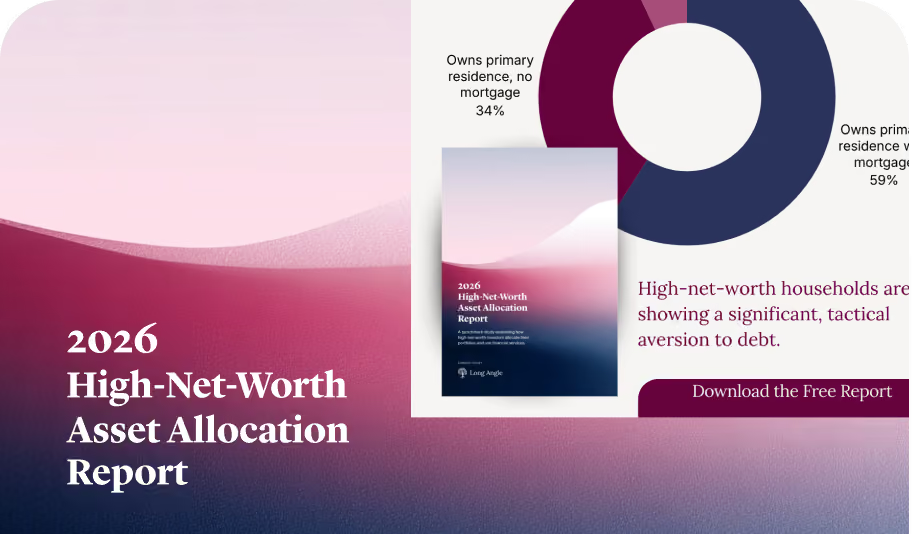
2026 High-Net-Worth Asset Allocation Report
See how high-net-worth investors with an average net worth of $17M are allocating across public equities, private markets, real estate, bonds and cash. Based on benchmark data from 230+ respondents.

Key HNW Wealth Management Strategies
If you’re a HNW individual, you must ensure your wealth's strategic health and growth to guard your lifestyle and financial legacy. These strategies are designed to help you navigate the unique challenges and opportunities faced by the affluent.
1. Tax Planning Strategies
Effective tax planning is foundational for HNW individuals, offering an essential pathway for high-net-worth tax planning. Using tax-deferred accounts, for example, allows you to shield parts of your income from immediate taxation so that funds can compound and grow over time.
Tax-loss harvesting, which involves offsetting capital gains with any investment losses, reduces taxable income even further.
Moreover, the distinction between short-term and long-term capital gains is crucial. Long-term investments typically are subject to lower tax rates. This difference highlights the importance of timing in your investment decisions.
By employing these and other tax optimization techniques, you can ensure that your wealth management strategies are efficient and protected from excessive tax liabilities.
2. Estate Planning and Wealth Transfer
Establishing a comprehensive estate planning and wealth transfer plan that ensures that your wealth is preserved and transferred according to your wishes and with minimal tax impact is imperative.
This often involves setting up trusts, drafting wills, and employing tax-efficient mechanisms to safeguard the estate from erosion due to taxes and/or legal complexities.
The use of trusts facilitates a more controlled distribution of assets, can provide significant tax advantages, and protects the estate from probate processes.
Moreover, carefully considering the tax implications of inheritance can lead to substantial savings, further maximizing your estate's value for beneficiaries.
For those navigating the intricate landscape of estate planning, strategic foresight and professional guidance are indispensable in protecting and perpetuating your legacy.
3. Investment Portfolio Diversification
Diversifying assets is a core strategy for HNW investment that involves spreading investments across various asset classes.
These asset classes may include stocks, bonds, real estate, and alternative investments like private equity and hedge funds. This approach mitigates the risks of market volatility and positions your portfolio for balanced, steady growth.
When it comes to asset allocation, take a tailored approach that considers your financial goals, risk tolerance, and investment horizon.
The importance of a diversified investment portfolio can’t be overstated. Diversity helps you navigate economic turmoil and capitalize on growth opportunities across sectors.
Executing investment strategies that emphasize diversification ensures long-term wealth preservation and enhancement.
For more personalized advice, join the diverse and affluent HNW colleagues in the Long Angle community. Our rich knowledge base and robust networking platform can enrich your experience and expand your access to exclusive opportunities.
4. Philanthropic Planning and Giving
Philanthropy is more than just a way to give back for HNW individuals; it’s a fulfilling way to contribute to the betterment of society while strategically enhancing their own wealth management. Incorporating charitable giving into your financial strategy supports worthy causes and provides significant tax benefits, effectively reducing your overall tax liability.
Strategic philanthropy demonstrates the power of wealth to drive positive change, showcasing the impact of thoughtful, intentional giving.
You will need to choose the right vehicles for charitable giving, such as direct donations, donor-advised funds, or a private foundation. Each has its own set of advantages and tax implications.
5. Risk Management through Insurance
Risk management is critical to preserving HNW assets, and various insurance products can safeguard against unforeseen events. Leveraging life insurance, long-term care insurance, and umbrella policies ensures comprehensive protection across different areas of vulnerability.
Life insurance offers a dual benefit—providing for beneficiaries in the event of untimely death while also serving as a tax-efficient wealth transfer tool.
Long-term care insurance addresses the potential financial drain of extended healthcare needs. In contrast, umbrella insurance extends liability coverage, offering an added layer of security against claims that could impact your financial foundation.
Incorporating these insurance strategies into the broader financial planning process is essential for mitigating risks and ensuring the longevity of your wealth.

6. Investment in Tangible Assets
HNW individuals often turn to tangible assets—like real estate, art, and precious metals—to diversify their investment portfolio and hedge against inflation.
Real estate investments can provide a steady income stream through rentals. There’s also potential for appreciation in value, making property investment a cornerstone strategy.
While more subjective in valuation, art and precious metals offer unique benefits as collectibles and hedge against market volatility.
The strategic inclusion of such assets in an HNW asset allocation plan enhances portfolio diversity and contributes to wealth preservation. The bottom line is common sense: invest only in assets likely to maintain or increase their value over time.
7. Hiring Professional Advisors
Navigating the complexities of High-Net-Worth wealth management usually requires the expertise of professional advisors. Don’t wait to start building your team and filling any holes in your advisory circle.
Your ongoing mission is to assemble a trusted team of financial advisors, legal professionals, and accountants who can provide the specialized guidance necessary to effectively optimize wealth management strategies.
These professionals offer invaluable insights into investment opportunities, tax optimization, estate planning, and risk management—all tailored to your unique needs as a HNW individual.
Collaborating with expert advisors helps ensure that all aspects of wealth management are addressed cohesively, align you with your financial goals, and secure your legacy.

Wealth Management Challenges
Maintaining asset privacy in an increasingly transparent world poses significant concerns, as does the complexity of managing diverse and international investments.
Affluent people face intricate legal and tax environments. They need to stay abreast of changing regulations that could impact their wealth. Ensuring the efficient transfer of wealth to the next generation adds another layer of complexity.
Overcoming these hurdles requires a sophisticated and dynamic approach to wealth management supported by the expertise of seasoned professionals.
The Importance of Risk Management
Risk management is not just a component of your financial strategy—it's the backbone. The potential for financial loss—whether from market downturns, litigation, or unforeseen personal events—requires a proactive, comprehensive approach to protection.
Diversifying investments, securing robust insurance coverage, and strategic tax planning are critical to safeguarding wealth. Effective risk management ensures the preservation of current assets and the safe passage of wealth to future generations.
Final Thoughts
Embracing these HNW strategies, supported by the expertise of professional advisors, enables you to preserve your wealth and cultivate an enduring legacy.
As financial landscapes shift and personal goals evolve, the dynamic nature of these strategies provides a robust framework for navigating uncertainty and seizing opportunities.
In the journey toward financial security and growth, alignment of strategic planning with expert guidance paves the way for you to achieve long-term success and inner fulfillment.
As you navigate your own unique wealth management journey, remember that you don't have to do it alone. Discover Long Angle, a community dedicated to helping affluent individuals enhance their success and achieve greater personal fulfillment.
Frequently Asked Questions
What is the 72 Rule in Wealth Management?
The 72 Rule estimates how long it will take for an investment to double in value based on a fixed annual rate of return. Divide 72 by the expected RoR to estimate how many years it will take to get a 100% return. This helps assess the growth potential of your investments.
How Can Tax Optimization Strategies Impact Overall Wealth?
Tax optimization strategies affect overall wealth by reducing tax liabilities. Effective strategies, like using tax-efficient investment vehicles and maximizing deductions, enhance wealth preservation and growth by holding more capital to compound over time.
Which Types of Insurance Should High-Net-Worth Individuals Consider?
Various insurance products—including life, umbrella liability, and long-term care insurance—can be tailored to your needs. These policies provide a safety net against unforeseen wealth-eroding events, offering peace of mind and financial security.
Are Offshore Investments Safe and Legal?
Offshore investments can be safe and legal when conducted through reputable channels and in compliance with all applicable laws and regulations, offering opportunities for diversification and tax efficiency. Conduct thorough due diligence and consult with financial and legal advisors to navigate through offshore complexities.
How Often Should Financial Strategies be Reviewed and Adjusted?
Financial strategies for HNW individuals should be reviewed and adjusted regularly, at least annually, as significant life events and market conditions change. This proactive approach ensures that investment portfolios, risk management plans, and other financial strategies remain aligned with the individual's evolving goals and the financial landscape.
Most wealth strategy questions have been answered by someone a stage ahead.
Long Angle is a free, vetted community of founders, executives and investors who compare notes on tax, allocation and estate decisions with peers who have made the same calls, and no one in the room is selling anything.
More From Long Angle
Beyond Wealth Newsletter
Navigating Wealth Podcast
Research & Studies
Alternative Investment Education
Blog