Written by Matthew Gutierrez


Steady Hands: How High-Net-Worth Investors Are Navigating Market Volatility
Steady Hands: How High-Net-Worth Investors Are Navigating Market Volatility
When markets turn volatile, the urge to do something is almost physical. We asked the Long Angle community what they're doing. The answers range from disciplined inaction to sophisticated options overlays, and every one of them has something to teach.
Matthew Gutierrez
What members inside the Long Angle community are doing about geopolitical risk and volatility.
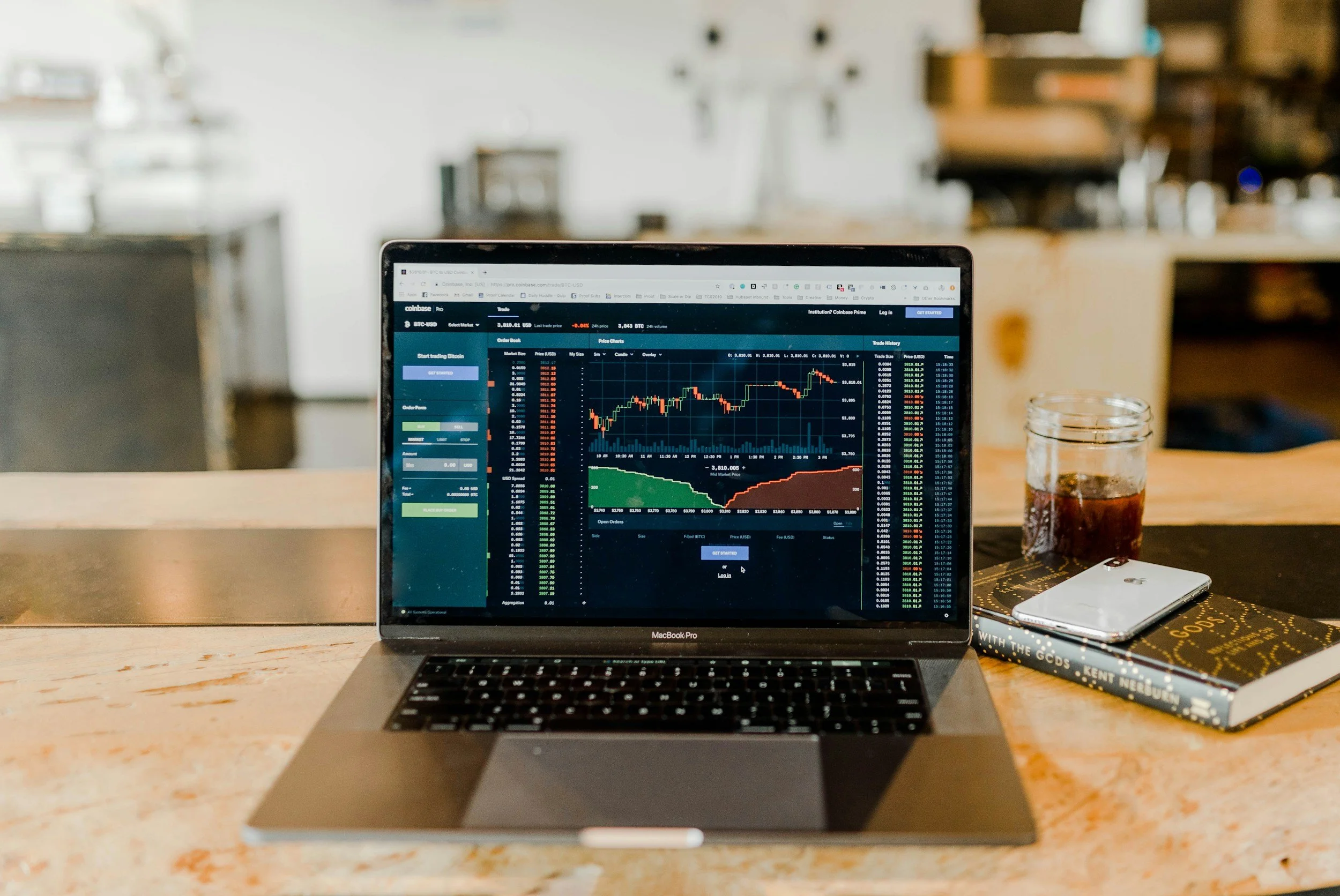
2026 High-Net-Worth Asset Allocation Report
See how high-net-worth investors with an average net worth of $17M are allocating across public equities, private markets, real estate, bonds and cash. Based on benchmark data from 230+ respondents.
The Question Nobody Wants to Ask (But Everyone Is)
When markets turn volatile, as they inevitably do, the inbox fills up. News alerts, too. Portfolios that felt bulletproof six months ago can look more fragile to some. The urge to do something, anything, is almost physical.
It’s one of the stranger features of investing that the moments demanding the most composure are precisely the moments when composure is hardest to find.
That tension is exactly what surfaced in recent Long Angle community discussions. Members who have built meaningful wealth addressed directly: What's your game plan? The answers were more nuanced, and more instructive, than anything you'll read in a financial column.
The Hardest Strategy: Do Nothing
The most popular response in the Long Angle threads, expressed in different ways by different members, was a version of hold the line. "My strategy is to do absolutely nothing," wrote one member, pointing to a near-identical conversation from spring 2025, when stocks soared after bottoming in early April.
Howard Marks would call this second-level thinking: recognizing that volatility feels dangerous but rarely is, not for those with an appropriate time horizon and asset allocation.
The investor who panic-sold in March missed one of the sharpest recoveries in recent memory. The one who did nothing watched their portfolio recover. For many Long Angle members, discipline is a core strategy. For some, it’s the strategy.
Diversification: Boring Has Never Been More Beautiful
"Good old-fashioned diversification has me not doing much of anything," noted one member, adding that he was particularly glad about his decision to re-enter oil and gas in 2024.
Another described a deliberate rebalance at the first sign of volatility, rotating into broader diversification while keeping 30 months of cash reserves as a buffer.
This is an unsexy part of portfolio management in volatile markets: the investors who sleep best are usually the ones who built their portfolios for exactly this kind of weather. Geographic diversification surfaced too; members flagged Singapore and Australia as relatively resilient, while Southeast Asian energy exposure drew more caution given fuel supply pressures.
Diversification isn't only domestic. It's a global question.
Tax-Loss Harvesting: Turning Pain Into Advantage
A handful of members, including those running direct-index strategies, highlighted tax-loss harvesting (TLH) as a core part of their current activity.
"Continuing to contribute to direct index so TLH can do their thing," wrote one. When markets fall, high-net-worth investors in higher tax brackets can realize losses that offset gains elsewhere, effectively letting the IRS share some of the downside.
This is one of the genuinely underrated gifts of market volatility: it creates harvesting opportunities that don't exist in calm markets. The key is staying invested , selling the loser, immediately buying a correlated position to maintain exposure, so you don't miss the recovery while you wait out the wash-sale window.
Volatility, reframed, is a tax planning event for some Long Angle members.

Options Strategies: The Sophisticated Playbook
This is where Long Angle diverges meaningfully from mainstream investing advice. Multiple members described active options strategies, not as speculation, but as income generation and risk management layered on top of long-term portfolios.
The most common approaches: covered calls on existing equity positions to generate premium income; cash-secured puts at target prices on stocks members want to own at a discount; and protective puts ahead of binary events like earnings.
One member described using protective puts on volatile names like RGTI and OKLO before earnings, a hedge that "mitigated some of the downside pain."
The logic: in high-volatility environments, option premiums are rich. Selling that volatility — prudently, within defined risk parameters — can add meaningful yield to a portfolio that would otherwise just sit and wait.
Hedging for the More Cautious
A subset of members described more explicit hedging postures. One had built a synthetic short on the S&P 500 (short ATM call + long ATM put), gone synthetically long gold, and layered on VIX debit spreads, a real portfolio of volatility views, not a single bet.
Another described selling naked short puts on SPY at the 8-16 delta range, using a small percentage of buying power, with the explicit goal of "selling fear" and closing when volatility subsides.
A common point is position sizing. These aren't all-in trades; they're calibrated overlays on otherwise conservative core portfolios. Morgan Housel's lesson applies here: it's not whether you use sophisticated tools, it's whether you use them in ways you can survive being wrong about.
The Psychology of Cash: Ammunition or Anxiety Relief?
"#drypowder," posted one member, invoking the Buffett-Munger tradition of keeping reserves for exactly these moments. Others were more candid about why they're holding more cash, not because it's the optimal investment decision, but because it prevents panic decisions in the heat of the moment.
"Keep more cash on hand," advised one member, "not so much as a great investment decision but more as an anxiety prevention mechanism so you do not end up making panic moves when you don't need to."
That's honest framing, and a useful one. Members said the value of cash in a volatile market is optionality, yes, but it's also the emotional permission to hold everything else.
The Long Game Wins
Nearly every strategy discussed in Long Angle threads shares a common assumption: the market recovers. Not if…but when. The disagreements are about how to wait, not whether to wait.
The synthesis is something like this: build a portfolio calibrated to your risk tolerance and capital needs, not your theoretical one. Use volatility as a tool where you have genuine edge: harvesting losses, collecting options premium, rebalancing into dislocation.
Hold cash not as an investment but as ballast. When the noise and headlines are loudest, remember that every volatile market in history eventually became a historical footnote. The investors who came out ahead weren't the ones who predicted the bottom. They were the ones who were still in the game when it arrived.

Final Thoughts
The most valuable thing the Long Angle community offers in volatile moments: perspective from people who have been through this before.
Volatility is not a problem to be solved. It’s the price of admission for long-term returns.
Many members described doing "nothing,” because they are trusting a portfolio they had built specifically for this kind of weather.
Frequently Asked Questions
What are the best strategies for investing in a volatile market?
The most consistently effective strategies for high-net-worth investors in volatile markets are: maintaining a pre-set asset allocation rather than reacting emotionally, tax-loss harvesting to turn paper losses into tax savings, and selectively using options, including covered calls, cash-secured puts, or protective puts, to generate income or manage downside risk.
Should I sell my investments during market volatility?
Generally, no. Historical data consistently shows that missing even a handful of the best trading days, which tend to cluster around periods of peak fear, dramatically reduces long-term returns. As one Long Angle member noted, the Nasdaq rallied 35% in less than six weeks from its spring 2025 bottom. Investors who sold near the low locked in those losses.
How do high-net-worth investors protect their portfolios during a downturn?
Beyond broad diversification, sophisticated investors use a range of tools: protective puts to hedge concentrated positions before binary events like earnings, VIX-based strategies to monetize elevated volatility, synthetic hedges using options on index ETFs, and geographic diversification into markets less correlated to U.S. equities.
Is tax-loss harvesting worth it during market volatility?
For high-net-worth investors in higher tax brackets, absolutely. A down market creates harvesting opportunities that simply don't exist when prices are rising. By selling a losing position and immediately buying a correlated one, you maintain market exposure while realizing a loss that can offset capital gains, effectively having the IRS share in your downside.
How much cash should I hold during a volatile market?
There's no universal answer, but Long Angle members generally hold cash for two distinct reasons: as dry powder to deploy into dislocated assets, and as an emotional buffer that prevents panic-driven decisions. Even a modest cash position — 10–15% for some members — can provide enough psychological stability to hold a long-term equity portfolio through turbulent periods without flinching.
Volatility is easier to sit through with peers who held through the last one.
Long Angle is a free, vetted community of founders, executives and investors who compare notes on drawdowns, rebalancing and staying invested with peers who have made the same calls, and no one in the room is selling anything.
More From Long Angle
Beyond Wealth Newsletter
Navigating Wealth Podcast
Research & Studies
Alternative Investment Education
Blog