Written by Chris Bendtsen

Selling Pre-IPO Stock After a Lockup or Tender Offer: How Much Investors Will Hold in One Company
Selling Pre-IPO Stock After a Lockup or Tender Offer: How Much Investors Will Hold in One Company
SpaceX's 180-day lockup ends December 8, 2026. In a poll of 286 Long Angle members, 60% said they'd hold under 15% of their portfolio in one stock.
Chris Bendtsen
Research Findings
SpaceX's 180-day IPO lockup ends on December 8, 2026, under the schedule in its June 2026 prospectus, and a separate extended lockup releases some holders' shares in tranches into mid-2027. For a holder deciding how much to keep, a poll of 286 Long Angle members is a benchmark: 60% said the most they could hold in a single stock and still sleep at night is under 15% of their portfolio, and 11% would hold more than half. Respondents are Long Angle members who chose to answer and aren't a representative sample of high-net-worth households.
Key Takeaways
- In a poll of 286 Long Angle members, 60% put the most they'd hold in one stock at under 15% of their portfolio.
- Only 11% of those respondents said they could hold more than half their portfolio in a single stock and still sleep at night.
- SpaceX's 180-day lockup ends December 8, 2026, but an extended lockup keeps releasing some holders' shares into mid-2027, so the date that matters depends on which tranche a holder is in.
- Private-company employees in Long Angle's 2026 Asset Allocation report hold 36% of their investable net worth in their company's equity. For public company employees, it falls to 19%.
- Both Long Angle member polls record stated limits and plans, and the SpaceX poll was taken in May 2026, before the listing.
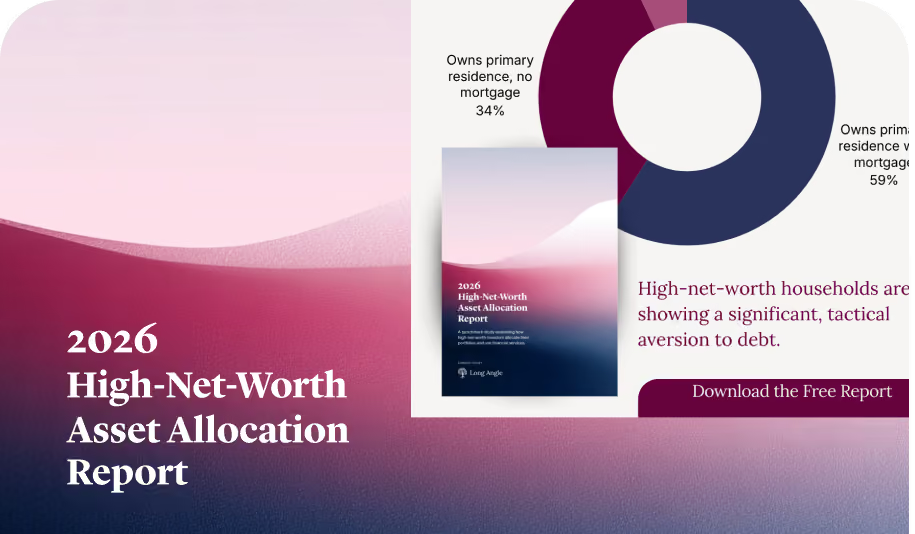
2026 High-Net-Worth Asset Allocation Report
See how high-net-worth investors with an average net worth of $17M are allocating across public equities, private markets, real estate, bonds and cash. Based on benchmark data from 230+ respondents.

Long Angle member data. Two Long Angle member polls, the 2026 Asset Allocation study and SpaceX's prospectus, read together on how much of one company's stock investors are willing to hold when the shares become sellable.
How Much of One Stock Investors Will Hold
Asked for the most they could hold in a single stock and still sleep at night, 60% of 286 Long Angle members answered under 15% of their portfolio.
Most a member would hold in a single stock
Source: Long Angle member poll, "What's your sleep number?", 286 respondents, December 2025 to March 2026. Single-select; the question asks for the most a member would hold. Respondents are Long Angle members who chose to answer and aren't a representative sample of high-net-worth households.
The question measures a comfort limit. A holder with more than half their portfolio in employer stock on the day the lockup releases is above the limit 86% of these respondents set for themselves (245 of 286).
How the SpaceX IPO Lockup Releases Shares
SpaceX's lockup is staggered, so most locked-up holders have been able to sell some shares since August, and the 180-day lockup ends on December 8, 2026.
SpaceX 180-day lockup release schedule
Source: Space Exploration Technologies Corp., final prospectus (Form 424(b)(4)), filed June 12, 2026, "Shares Eligible for Future Sale". Share counts are approximate as the prospectus states them. No lockup amendment or waiver appears in SpaceX's filings through November 3, 2026.
A separate extended lockup covers other holders. It releases 20% after the fourth-quarter 2026 results, 10% on March 18, 2027, 20% after the first-quarter 2027 results, 10% on May 17, 2027, 20% on June 12, 2027, and the remainder after the second-quarter 2027 results. The chief executive's shares are locked for 366 days, to June 12, 2027. Goldman Sachs, as lead underwriter, may release locked-up shares early.
Lockups, trading windows and pre-arranged 10b5-1 selling plans are covered in liquidity event planning.
What Long Angle Members Planned Before the SpaceX Listing
In May 2026, before SpaceX listed, 51 of 308 Long Angle members who answered a poll on the IPO already held exposure to the company, and those holders were about evenly split between holding and selling part after the lockup.
How members planned to approach the SpaceX IPO
Source: Long Angle member poll, "How will you approach the SpaceX IPO?", 308 respondents, May 2026. Single-select, asked before the listing; shares total 99% due to rounding. Respondents are Long Angle members who chose to answer and aren't a representative sample of high-net-worth households.
The holder group is 51 people, too few to read the 26-to-25 split as a preference. It records intentions stated before the listing.
How Much Employees With Equity Hold in Their Company
On average, private-company employees with equity hold 36% of their investable net worth in employer shares. Similarly, founders and business owners hold 35% in their own company. Because respondents reported against their most recent private valuation, an IPO that prices higher makes the true concentration higher still. So for many holders the figure at the moment of going public is a floor.
Asset Allocation Among Concentrated Equity Holders (% of Investable Net Worth)
Public company employees show a different picture. Employer shares account for 19% of investable net worth, while other public stocks account for 53%. That's consistent with a pattern of selling down concentrated positions after an IPO and reallocating into a broader public equity portfolio. All other HNW investors, who hold no employer equity, show the most diversified profile.
Full results are in the 2026 High-Net-Worth Asset Allocation Report, and founders' concentration is covered in entrepreneur equity concentration.
Tender Offers at Private Companies
A tender offer lets holders of a still-private company sell shares before any listing, at a price set by the company or the buyer, and participation is often capped at a share of what each holder owns. The decision is the same one a lockup forces: how much of one company to keep once some of it can be sold.
Once a company lists, as SpaceX did in June 2026, holders sell on the market as their lockup tranches release, and a company tender is no longer the route.
Who Holders Talk To Before Selling
Three advisers come up most before a sale: a CPA with equity compensation experience, on the tax cost of each tranche (what a CPA costs); an estate attorney, on gifting shares before they rise in value; and peers who've sold through a lockup themselves. Ways to diversify a position that stays large are covered in managing a concentrated stock position and 351 exchanges and exchange funds.
Final Thoughts
Three questions sort a lockup decision faster than any benchmark. Which lockup did you sign, and when does each of your tranches release? What share of your net worth will one company be on that day, against the under-15% limit most respondents here set? And what does each sale cost in tax, set against what the money is for? The polls show where Long Angle members drew the line. They don't say where yours should be.
Frequently Asked Questions
When does the SpaceX lockup end?
SpaceX's 180-day lockup ends on December 8, 2026, under its June 2026 prospectus. It has released shares in stages since August. A separate extended lockup releases some holders' shares in tranches through the second-quarter 2027 results, and the chief executive's shares are locked to June 12, 2027.
Can SpaceX employees sell before the lockup ends?
Many can sell part of their shares now. The prospectus releases them in tranches: after the first earnings release, on set dates from August 20, 2026, and after the third-quarter results. Which shares a holder can sell depends on which lockup they signed.
What is a tender offer at a private company?
A tender offer is a buyback that lets holders of a private company sell shares before any listing, at a price the company or buyer sets. Participation is often capped, so a holder may sell only part of what they own.
How much pre-IPO stock should I sell?
Long Angle doesn't make that call for anyone, but its members' limits are a benchmark. In a poll of 286 members, 60% said the most they could hold in one stock and sleep at night is under 15% of their portfolio, and 11% would hold more than half.
What should I do with pre-IPO stock before the IPO?
Most holders start with the calendar: which lockup applies, when each tranche releases, and what each sale would cost in tax. A CPA with equity compensation experience and an estate attorney are the usual first calls.
Is there a peer community for people with concentrated company stock?
Long Angle is a vetted community of high-net-worth founders, executives, and investors, where members compare notes on lockups, tender offers, and how much they sold.
The lockup advice worth taking comes from someone who has sold through one.
Long Angle is a vetted community of high-net-worth founders, executives, and investors. Members compare notes on lockups, tender offers, and what they kept, under their real names, with no vendors posting.
Research