Published


Roth 401(k) vs. 401(k) For High-Income Earners
Roth 401(k) vs. 401(k) For High-Income Earners
Discover the vital differences between Roth 401k vs. 401k for high-income earners looking to retire rich.

Selecting the right retirement plan is crucial for high-net-worth individuals aiming to maximize their wealth and tax benefits. The Roth 401(k) and traditional 401(k) are two of the most popular options, each offering distinct benefits.
Understanding each plan's nuances will empower you to tailor your retirement strategy to suit your financial situation and long-term goals.
When choosing between a Roth 401(k) vs. a 401(k)for high-income earners, it’s essential to consult with tax strategists and accountants. It’s also wise to discuss your options with peers in a high-net-worth community forum.
Key Takeaways
TL;DR: Roth 401(k) vs. 401(k) For High-Income Earners
For high-income earners, deciding between a Roth 401(k) and a traditional 401(k) hinges on understanding their key differences—especially when it comes to tax implications and withdrawal rules.
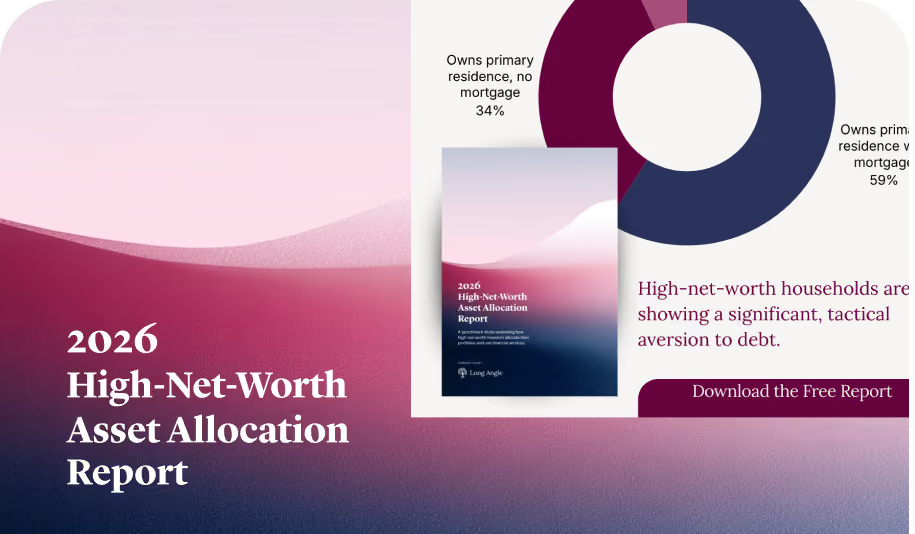
2026 High-Net-Worth Asset Allocation Report
See how high-net-worth investors with an average net worth of $17M are allocating across public equities, private markets, real estate, bonds and cash. Based on benchmark data from 230+ respondents.

What is a 401(k)?
A 401(k) plan is a tax-advantaged retirement account offered by many U.S. employers. It allows employees to save and invest a portion of their paycheck before taxes are taken out. Withdrawals from traditional 401(k) plans are taxed at the individual's current income tax rate at the time of withdrawal, assuming they meet the required age requirements.
How Does a 401(k) Work?
Contributions to a traditional 401(k)plan are made pre-tax, reducing taxable income and providing immediate tax relief. Funds in the account grow tax-deferred until withdrawal, typically after retirement. Employers can also contribute to these plans through matching or non-elective contributions, enhancing the potential growth of retirement savings.
How Are 401(k) Withdrawals Taxed?
For traditional 401(k)plans, withdrawals are taxed as ordinary income at the account holder’s current tax rate at the withdrawal time. Early withdrawals before age 59½ may be subject to a 10% penalty unless an exception applies.
When Do You Pay Taxes On Money Invested in a 401(k)?
For traditional 401(k) plans, taxes are paid when money is withdrawn, usually during retirement, not when invested. For Roth 401(k) plans, taxes are paid on the money before it is invested. However, qualified distributions, including earnings, are tax-free.

What is a Roth 401(k)?
The Roth 401(k) combines features of the Roth IRA and the traditional 401(k), letting employees make after-tax contributions to their retirement accounts. Unlike the standard 401(k), withdrawals from a Roth 401(k) are tax-free if certain conditions are met. This plan is best for people anticipating higher tax rates in retirement or those who prefer tax-free retirement income.
How Does a Roth 401(k) Work?
In a Roth 401(k), contributions are made with after-tax dollars, so no taxes are deducted at the time of contribution. Contributions and earnings grow tax-free, and no taxes are owed on withdrawals after retirement, provided the account has been open for at least five years and the individual is 59½ years or older. This makes the Roth 401(k) an attractive option for investors who expect to be in a higher tax bracket during retirement.
How Much Can You Contribute to a Roth 401(k)?
As of 2021, the contribution limit for a Roth 401(k) is the same as a traditional 401(k)—$19,500 per year or $26,000 for those aged 50 or older, including a $6,500 catch-up contribution. These limits are periodically adjusted for inflation.
Should High-Income Earners Invest in Roth 401(k)?
For high-income earners, the plan can be advantageous. Though there is no Roth 401(k) tax deduction initially, tax-free retirement withdrawals can offer significant benefits in tax savings and financial planning flexibility. However, the choice should be aligned with a comprehensive assessment of tax liabilities, expected future income, and overall retirement strategy.
Does a Roth 401(k) Reduce Taxable Income?
No, contributions to a high-income Roth 401(k) don’t reduce your taxable income in the year made. This differs from traditional 401(k) contributions, which lower your taxable income and provide immediate tax relief.
Roth 401(k) vs. Traditional 401(k)
Roth 401(k) Pros and Cons
Pros
- Tax-Free Withdrawals: Contributions and earnings in a Roth 401(k) grow tax-free. Withdrawals made in retirement are not taxed, assuming all conditions are met.
- No Required Minimum Distributions (RMDs) During Owner's Lifetime: Unlike a traditional 401(k), a Roth 401(k) does not require minimum distributions during the account holder's lifetime, allowing for continued growth.
- Better for Higher Future Taxes: Ideal for individuals who expect to be in a higher tax bracket in retirement, as they will benefit from tax-free withdrawals.
Cons
- No Immediate Tax Benefit: Contributions are made with after-tax dollars, meaning there is no immediate tax deduction.
- Limited by High Income: High-income earners might benefit less if they are phased out of contribution limits based on IRS rules or tax brackets.
- Upfront Taxes: Contributors bear the tax burden upfront without immediate tax relief.
Traditional 401(k) Pros and Cons
Pros
- Immediate Tax Benefits: Contributions reduce taxable income in the year they are made, providing immediate tax savings.
- Employer Match: Many employers offer matching contributions which can enhance the plan’s value.
- Tax-Deferred Growth: Investments grow tax-deferred until withdrawal, potentially compounding over many years.
Cons
- Taxed at Withdrawal: All withdrawals are taxed at the current rate, which could go up in the future.
- Required Minimum Distributions (RMDs): At age 72, required minimum distributions must be taken, potentially leading to a higher tax liability.
- Penalty for Early Withdrawal: Withdrawal of funds before age 59½ typically incurs a 10% penalty, although exceptions might apply.
Roth 401(k) Benefits for High-Income Earners
The Roth 401(k) presents several unique benefits for high-income earners:
- Tax-Free Growth and Withdrawals: Contributing to a Roth 401(k) may not give immediate tax relief. However, tax-deferred investments for high-income earners may be beneficial later, with withdrawals tax-free in retirement and an effective hedge against rising tax rates.
- Estate Planning Advantages: Roth 401(k) accounts don’t require minimum distributions during the owner's lifetime, allowing better control over estate planning and wealth transfer.
- Flexibility in Financial Planning: With no tax hit on withdrawals, high-income earners can be more flexible in managing income streams in retirement, reducing their total tax burden.
Withdrawal Rules for High-Income Earners
Withdrawal rules are an essential consideration when considering a Roth 401(k) vs. traditional 401(k) for high-income earners. A Roth 401(k) allows for tax-free withdrawals, which can be a major advantage if you are in a higher tax bracket at retirement. In contrast, regular 401(k) withdrawals are taxed as ordinary income, which could result in a higher tax burden during retirement.

Final Thoughts
Choosing between a Roth 401(k) vs. a 401(k) for high-income earners is a significant decision that requires careful consideration. Each plan offers distinct tax considerations that can impact your financial security, both now and in retirement.
By understanding the key differences and assessing personal financial goals and tax situations, high-income earners can strategically position themselves to maximize their retirement savings and manage their tax liabilities better.
As you navigate these options, consider consulting with a financial advisor to tailor a plan that aligns with your long-term financial aspirations. You might also consider applying to a network of high-net-worth individuals like Long Angle to gain peer support and resources tailored to your unique financial needs.
Frequently Asked Questions
Can High-income Earners Roll Over a Traditional 401(k) into a Roth 401(k)?
Yes, high-income earners can roll over funds from a traditional 401(k) to a Roth 401(k), subject to certain conditions. This conversion requires paying taxes on the transferred amount as it moves from a pre-tax to an after-tax account. It's a strategic decision that should be based on current tax rates versus expected tax rates at retirement. As always, consult a tax expert before making this move.
Are There Any Estate Planning Implications to Consider?
Roth 401(k) plans offer significant estate planning benefits. Since Roth a 401(k) doesn’t require minimum distributions during the owner's lifetime, it can grow tax-free indefinitely, providing a larger inheritance for heirs. Heirs can withdraw from the account tax-free, making it a valuable tool for transferring wealth without tax liabilities.
Roth or traditional is easier to decide with peers in the same bracket.
Long Angle is a free, vetted community of founders, executives and investors who compare notes on Roth conversions, backdoor Roth and 401(k) choices with peers who have made the same calls, and no one in the room is selling anything.
More From Long Angle
Beyond Wealth Newsletter
Navigating Wealth Podcast
Research & Studies
Alternative Investment Education
Blog


