Written by Scott Nixon


Hampton vs Vistage: Cost, Requirements and Which Fits Founders
Hampton vs Vistage: Cost, Requirements and Which Fits Founders
Hampton: $17,500 in year one, for operating tech founders. Vistage: about $16,500 a year, for CEOs in any industry. Both are built for running the company.
Scott Nixon
Hampton and Vistage run monthly peer groups for founders and CEOs actively building a company, including founders building again after an exit. Neither has a personal wealth requirement. Hampton takes operating founders of tech-enabled companies with $3 million in revenue, $3 million raised or a prior exit above $10 million: about three hours a month in person, $17,500 in the first year including initiation. Vistage's CEO program takes companies with $5 million or more in revenue: a full day a month with Chair coaching, about $16,500 a year in dues plus an enrollment fee. Long Angle is free to join with more than $3 million in verified investable assets, excluding a primary residence. Its Trusted Circles cost $4,500 a year.
Key Takeaways
- Hampton and Vistage qualify you on your role and the company: Hampton on revenue, capital raised or a prior exit, Vistage on revenue. Neither has a personal wealth requirement.
- Their members range from founders still building toward a liquidity event to founders who have sold and are building again.
- Hampton publishes $15,000 a year plus a $2,500 initiation fee. Vistage lists about $16,500 a year in dues plus an enrollment fee it does not state.
- Hampton meets about 30 hours a year, in person, in 18 cities. Vistage takes about 100 to 120 hours a year, with monthly Chair coaching.
- Long Angle requires verified personal wealth and charges no membership fee. Its optional Trusted Circles cost $4,500 a year. Members include founders still building and founders who sold and stepped back.
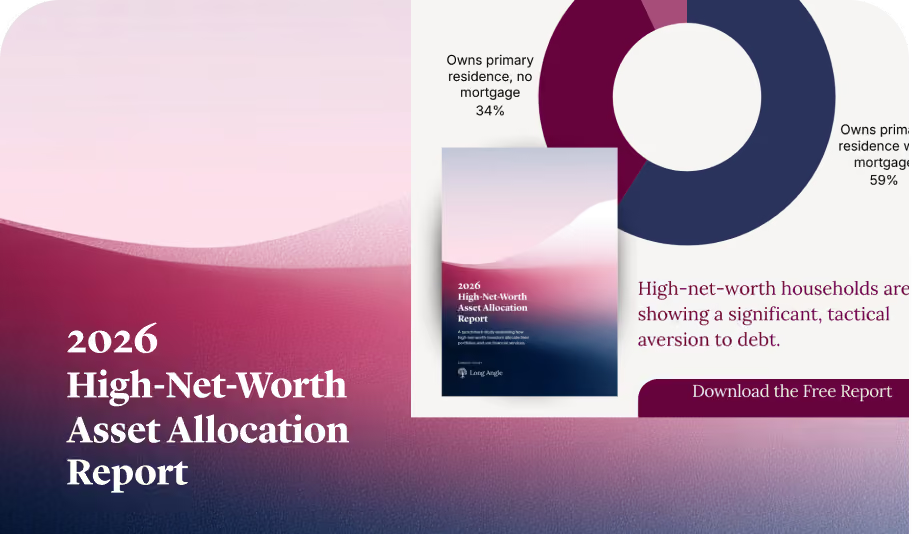
2026 High-Net-Worth Asset Allocation Report
See how high-net-worth investors with an average net worth of $17M are allocating across public equities, private markets, real estate, bonds and cash. Based on benchmark data from 230+ respondents.
Hampton vs Vistage at a Glance
Hampton is the smaller, tech-only, in-person format. Vistage is the larger, any-industry format with coaching built in. Every Hampton and Vistage figure below is the group's own.
| Hampton | Vistage | Long Angle | |
|---|---|---|---|
| Who qualifies | Actively operating founders, CEOs or owners of tech, internet or digital-first companies | CEOs, presidents, founders and owners in any industry, with no two competing companies in a group | Founders, executives and investors with verified personal wealth, still building or stepped back |
| Financial test | One of: more than $3M in revenue, more than $3M raised, or a prior exit above $10M | $5M or more in revenue for the CEO program, $1M to $4M for the Small Business program | More than $3M in investable assets, excluding a primary residence, with no upper limit |
| Group | Core group of about 8 to 10, matched on stage, age, family, wealth and experience | 12 to 16 non-competing CEOs | Optional Trusted Circles of 6 to 8, matched on life stage and net worth |
| Who leads it | A paid, trained Hampton moderator, from coaching, therapy, consulting or leadership | A Chair with 10+ years of C-level experience and $5M+ P&L responsibility | A professional moderator |
| Meetings | About 3 hours a month, 10 times a year, in person only | A full day each month, plus 1 to 2 hours of one-to-one coaching | 3 hours a month over Zoom |
| Time a year | About 30 hours | About 100 to 120 hours | 36 hours |
| Cost | $15,000 a year plus a $2,500 initiation fee: $17,500 in the first year | About $16,500 a year in dues, plus an enrollment fee. Varies by program and location | Free to join. Trusted Circles $4,500 a year |
| Where | 18 chapter cities in the US, Canada and London | Local groups in 40 countries | Anywhere: Circles meet online |
| Built around | The company you run and life as its founder | The company you run, with coaching for you as its CEO | The decisions the wealth creates: allocation, advisors, tax, estate and family |
| After an exit | Eligible while you operate a business again | Eligible while you lead a qualifying company | Eligible whether you build again or step back |
Source: Hampton: joinhampton.com home, FAQ, Explore Membership, Moderators, Hampton vs. YPO and download pages, checked October 27, 2026. Vistage: vistage.com Programs, What Is Vistage, Chair Qualifications, Best CEO Peer Advisory Groups and Vistage vs. Hampton pages, checked October 27, 2026. Long Angle: longangle.com /apply, /faq and /trusted-circles. Hours a year are Long Angle's arithmetic from each group's published format, counting a full Vistage day as eight hours.
What Hampton and Vistage Cost in the First Year
On published dues, Hampton costs $15,000 a year and Vistage about $16,500. Both add a fee to join, and only Hampton states its fee.
Hampton lists annual dues of $15,000 on its own comparison pages, plus a $2,500 initiation fee that covers onboarding, Core group matching and setup, so $17,500 in the first year. The dues are refundable within 45 days of the membership start date if you attend the Commitment Call, less the initiation fee and a 3% processing fee. Hampton says Core placement takes about 90 days, so that window can close before your first Core meeting. Some retreats cost extra. The full breakdown is in Hampton membership: cost, requirements and who it fits.
Vistage lists annual dues of about $16,500 in its own comparison of CEO peer groups. Its FAQ says fees vary by program and location and include a one-time enrollment fee plus monthly dues, and Vistage does not state the enrollment fee. Ask the Chair for the full first-year figure, and the cancellation terms, in writing. For the rest of Vistage's terms, see our assessment of whether Vistage is worth it.
The larger cost for either is time. Over a year, Hampton's Core takes about 30 hours and Vistage's CEO program about 100 to 120, before travel and preparation.
Who Qualifies for Hampton and for Vistage
Hampton tests your role and what you run. Vistage tests how large the company is and places you in a program by revenue. Neither has a personal wealth requirement, so both rooms mix founders still building toward a liquidity event with founders who have already sold one.
Hampton is for actively operating founders, CEOs and owners. The business must be in tech, internet or a digital-first industry, and it must clear one financial test: more than $3 million in revenue, more than $3 million raised in venture capital, or a previous exit above $10 million. You must also live in one of Hampton's 18 chapter cities. Applicants are interviewed, Hampton's founders watch the interviews, and Hampton says about 2% are accepted. Hampton reports that member companies average $23 million in revenue.
Vistage's CEO program takes leaders of companies with $5 million or more in annual revenue, in any industry, and its Small Business program takes companies with $1 million to $4 million. No two competing companies share a group, and a Chair matches you to a particular group. Vistage says most member companies fall between $10 million and $50 million in revenue.
The founder of a $4 million software company meets Hampton's revenue test and would sit in Vistage's Small Business program rather than its CEO program. The CEO of a $40 million manufacturer fits Vistage's CEO program and falls outside Hampton's industries. For how Hampton compares with the other operator group founders ask about, see EO vs. Hampton.
How a Hampton Core Group and a Vistage Group Run
Hampton runs a three-hour monthly session with a trained moderator. Vistage runs a full-day monthly meeting with a Chair who also coaches each member one to one.
A Hampton Core group meets in person in your city each month, usually skipping August and December. Hampton describes the group as eight other founders on one page and about ten on others, matched on stage, age, family, wealth and experience rather than industry. Its moderators are paid and trained by Hampton and come from coaching, therapy, consulting or leadership backgrounds. Hampton does not require them to be founders. Core is never virtual. Between meetings members use a Slack of more than 1,000 founders and city events, which Hampton's home page puts at more than 100 a year.
A Vistage group of 12 to 16 non-competing CEOs meets for a full day each month, built around working through members' issues. The Chair runs the meeting and holds a monthly one-to-one coaching session of one to two hours with each member. Vistage requires its Chairs to have 10 or more years of C-level experience with $5 million or more in P&L responsibility. Chairs are independent contractors who build their own groups, so meet the Chair who would run yours before you join.
Both groups ask members to keep discussions confidential. Vistage's confidentiality pledge also notes that recordings of members' issues are not legally privileged and that a court could compel their release, which is worth remembering in any peer group.
Which Fits a Tech Founder, and Which Fits a CEO in Any Industry
Hampton fits a tech founder who wants operator peers in the same city. Vistage fits a CEO in any industry who wants coaching built into the membership.
Hampton is the closer match if you run a tech-enabled company, want peers who have built similar businesses, prefer a shorter monthly meeting and want frequent informal contact between sessions. Vistage is the closer match if your company is outside tech, you want a cross-industry room, and you value a Chair who coaches you one to one every month. Vistage cites Dun & Bradstreet comparisons in which member companies grew faster than non-members. Members choose to join, so those figures show an association rather than the effect of membership. For Vistage against the other large CEO organization, see Vistage vs. YPO.
After an Exit: Building Again or Managing What You Built
Hampton and Vistage both take founders who have sold and are building again. Neither is built around the wealth the sale created.
A previous exit above $10 million is one of Hampton's three financial routes in, as long as you are operating a business again. Hampton's own Miami guide points founders who have exited and stopped operating toward TIGER 21. Vistage admits you while you lead a company of qualifying size, and publishes stories of members after a sale. Both rooms are organized around running the company.
For many founders, the hard questions move to what the company produced, often well before a sale. Among respondents to Long Angle's 2026 asset allocation research, those whose primary source of wealth is entrepreneurship held 27% of their investment portfolio in private company equity, against 11% for other respondents, and 35% in public equities, against 61%. The 2026 High-Net-Worth Asset Allocation Report has the full breakdown.
Source: Long Angle, 2026 High-Net-Worth Asset Allocation Report, 233 member respondents, December 2025 to January 2026. Investment portfolio excludes home equity. All respondents are a voluntary sample of Long Angle members.
Of Hampton, Vistage and Long Angle, only Long Angle has a personal wealth requirement: more than $3 million in investable assets, excluding a primary residence, verified, with no upper limit. There is no membership fee. The community is deliberately mixed by professional background: members compare notes with vetted peers who have been there, from founders still building and founders who sold and chose to step back to executives, physicians, attorneys and full-time investors who share what they did. The questions are about concentration, liquidity, advisors and their fees, tax, estate planning and family, and no one in the room is selling anything.
Members lean on each other for those decisions. In a Long Angle poll of 116 members who had been through a liquidity event, 37.9% found their financial team through recommendations from peers, against 15.5% through their existing financial professionals. The first months after a sale are covered in what to do after selling your business.
Source: Long Angle member poll, 116 respondents, select all that apply, posted April 14, 2026 and read October 21, 2026. Respondents are a voluntary sample of Long Angle members.
That makes Long Angle a complement to Hampton or Vistage. Some members keep their operator group for the company and use Long Angle for the personal financial decisions the company created.
For a fixed group, Long Angle members can join Trusted Circles, optional peer advisory groups that help members manage everything that comes with wealth: allocation and risk, new money, kids and wealth, aging parents, estate planning, succession, philanthropy and identity after an exit. Circles are matched by life stage, goals and net worth, with a person reviewing every match. Six to eight members meet for three hours a month over Zoom with a professional moderator, for $4,500 a year with a twelve-month minimum. Circles today include groups of entrepreneurs, members who have exited and members who retired early. It is the room where you can bring the real problem. David Smith, a Trusted Circles member, describes it this way: "I can bring any problem to them. More often than not, they've been in a similar situation. They guide me based on what they did, which allows me to almost predict the future and see how a decision could turn out."
Two other groups take founders after a sale: Post Exit Founders admits founders who have exited, and TIGER 21 admits from $20 million in investable assets. Peer groups after selling a business compares them group by group.
Final Thoughts
Choose on the company you run, then on the time you can give. A tech founder who wants a monthly, in-person room of operators is the member Hampton is built for. A CEO in any industry who wants a coach as well as a group is the member Vistage is built for. Either way, meet the moderator or Chair and get the first-year cost and exit terms in writing. The wealth the company created is a second set of decisions, whether you are building again or have stepped back. Some founders keep Hampton or Vistage for the company and add Long Angle for those decisions.
Frequently Asked Questions
How much does Vistage cost?
Vistage lists about $16,500 a year in dues for its CEO peer groups. Its FAQ says fees vary by program and location and include a one-time enrollment fee plus monthly dues. Ask a Vistage Chair for the full first-year figure in writing before you commit.
How much does Hampton cost?
Hampton publishes $15,000 a year in dues plus a $2,500 initiation fee, so $17,500 in the first year. Dues are refundable within 45 days if you attend your Commitment Call, less the initiation fee and a 3% processing fee.
Is Hampton or Vistage better for founders?
Hampton suits founders of tech-enabled companies who want peers building similar businesses and a three-hour monthly meeting. Vistage suits founders in any industry who want a full-day group and monthly one-to-one coaching from a Chair, with programs from $1 million in revenue.
Do Hampton or Vistage groups meet online?
Hampton's Core groups meet in person only, in its chapter cities. Vistage describes its groups as local and in person. Long Angle's Trusted Circles meet over Zoom, so members can join from anywhere.
Can I join Hampton or Vistage after selling my company?
Yes, if you are building again. A previous exit above $10 million is one of Hampton's financial routes, as long as you are operating a business, and Vistage admits you while you lead a company of qualifying size. For the wealth the sale created, founders add a group built for it, such as Long Angle, or look at Post Exit Founders or TIGER 21 if they have stepped back.
Long Angle is built for the wealth the company created.
There is no membership fee. Members with more than $3 million in verified investable assets, founders still building and founders who have stepped back, compare notes on allocation, advisors, tax and family decisions.
More From Long Angle
Beyond Wealth Newsletter
Navigating Wealth Podcast
Research & Studies
Alternative Investment Education
Blog