Written by Scott Nixon


High-Net-Worth Peer Advisory Groups Compared: Cost, Eligibility and Who Each Suits
High-Net-Worth Peer Advisory Groups Compared: Cost, Eligibility and Who Each Suits
TIGER 21, YPO, EO, Vistage, Hampton, Post Exit Founders, 506 Investor Group, Private Investor Club and Long Angle on cost, eligibility and format.
Scott Nixon
Among high-net-worth peer advisory groups, Long Angle is the private community for people navigating what comes after financial success, whether they still run a company, have sold one, or built wealth in another career. It's free to join with more than $3 million in investable assets, excluding a primary residence, with optional $4,500-a-year Trusted Circles. TIGER 21 suits investors with $20 million or more who want a paid, structured group, at $34,000 a year in North America. YPO, EO, Vistage, and Hampton are built around the company you lead; some Long Angle members keep one for the business. Post Exit Founders serves founders after an exit, and 506 Investor Group and Private Investor Club are free investor forums.
Key Takeaways
- Eligibility tests differ in kind: YPO, EO, Vistage and Hampton look at the company you run; TIGER 21 and Long Angle verify personal wealth.
- TIGER 21 is the most expensive at $34,000 a year plus $5,000 to join in North America. Vistage, EO and Post Exit Founders do not publish dues.
- 506 Investor Group and Private Investor Club are free and bar investment sponsors from joining.
- Long Angle is free to join with more than $3 million in investable assets, excluding a primary residence; its Trusted Circles are $4,500 a year with a twelve-month minimum.
- The commitment gap is large: TIGER 21 expects at least eight full-day meetings a year, while Long Angle and the investor forums require nothing beyond membership.
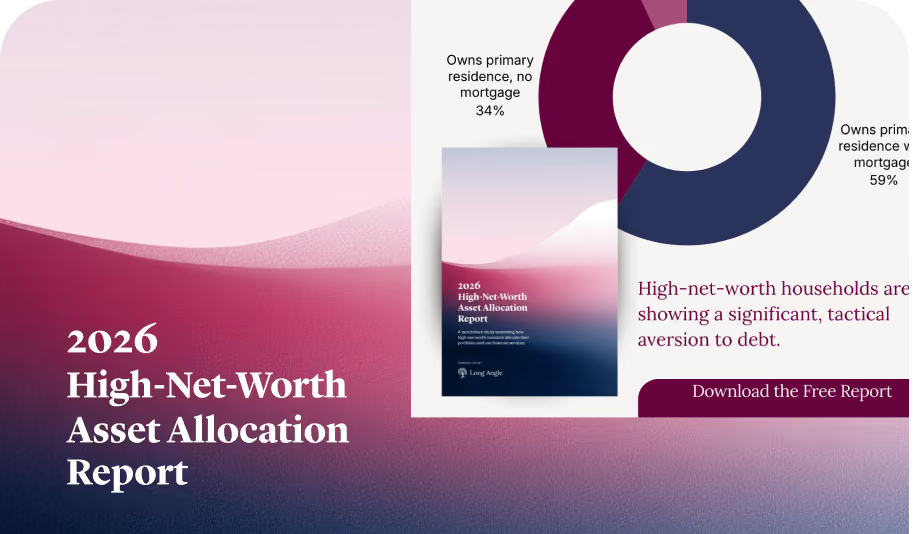
2026 High-Net-Worth Asset Allocation Report
See how high-net-worth investors with an average net worth of $17M are allocating across public equities, private markets, real estate, bonds and cash. Based on benchmark data from 230+ respondents.
High-Net-Worth Peer Groups at a Glance
Nine groups come up most often when people with significant wealth look for peers. The table compares what each publishes about cost, eligibility, format and commitment. Where a group does not publish a figure, the table says so.
| Group | Cost | Who qualifies | Format | Commitment | Suits |
|---|---|---|---|---|---|
| TIGER 21 | $34,000 a year plus $5,000 initiation (North America) | $20M investable assets or qualifying net worth, excluding personal-use assets | Groups of up to 15; 11 day-long meetings a year; Portfolio Defense in year one; virtual Global Groups | At least 8 of 11 meetings; 12-month term | Investors with $20M+ who want a formal personal board |
| YPO | $4,790 initiation plus $4,790 annual global dues, plus chapter dues (not published) | Under 45; top operational leader; revenue and employee thresholds, e.g. $16M+ revenue for most companies | Small confidential Forum; size and cadence not published | Not published | CEOs running a qualifying company |
| EO | Not published | Founder, owner or controlling shareholder of a business with $1M+ revenue | Forums of 6 to 10, monthly, peer-moderated; virtual Bridge chapters | Not published | Founders and owners still running the business |
| Vistage | Not published (one-time enrollment fee plus monthly dues) | No formal minimum published; says it suits $5M+ revenue | Groups of 12 to 16, one day a month, plus monthly coaching with a paid Chair | Not published | CEOs who want a professional coach as well as peers |
| Hampton | $15,000 a year plus $2,500 initiation | Actively operating founder, CEO or owner of a digital or tech-enabled company with $3M+ revenue, $3M+ raised, or a prior exit above $10M; chapter city | Small Core groups with a facilitator, about 3 hours, 10 months a year, in person only | Ten Core meetings a year; the rest optional | Founders building companies, in person |
| Post Exit Founders | Not published; 30-day free trial, then paid subscription | Founders who have exited a company they founded | Groups of about 10, monthly, facilitated, in person and remote | Not published | Founders after an exit |
| 506 Investor Group | Free | Verified accredited investors; sponsors and placement agents barred | Members-only online discussion, about 30 local meetups, annual conference | No obligation to invest | Investors evaluating private placements |
| Private Investor Club | Free | No sponsor connection; signed NDA; accreditation for some offerings | Members-only online discussion, email, in-person meetings | Not published | Investors sharing diligence on private offerings |
| Long Angle | Free to join; Trusted Circles $4,500 a year | More than $3M in investable assets, including illiquid, excluding primary residence; verified, no upper limit | Online community and in-person events in 27 cities; optional Member Retreat, private-market investments, vetted partners and Trusted Circles of 6 to 8, monthly over Zoom | None to join; Circles 12-month minimum | Founders still building or after a sale, executives and professionals wanting peers on investing, tax, advisors and life decisions |
Source: each group's own published pages, checked October 6, 2026: tiger21.com membership FAQ, qualifications and code of conduct; ypo.org membership requirements and application; eonetwork.org membership and Forum pages; vistage.com membership and "What is Vistage"; joinhampton.com home page, FAQ, Hampton vs. YPO and membership guarantee page; tiger21.com Global Groups; pef.co and its terms; 506investorgroup.com FAQ; privateinvestorclub.com and its terms; longangle.com /apply and /trusted-circles. TIGER 21 and YPO raise dues annually by at least CPI.
Two Kinds of Group Answer the Same Search
A peer advisory group and an investor community solve different problems, though both get called a "private community for high-net-worth people." An advisory group is a fixed set of people who meet on a schedule and get to know your situation. An investor community is a larger group where you bring a specific opportunity or question and get several informed views on it.
The difference shows up in cost and time. The advisory groups that publish a price charge between $4,790 and $34,000 a year to start, and most expect you at a monthly meeting. The two investor communities here are free and ask for no attendance. Pick by the problem in front of you: a year of decisions about your company or your wealth calls for a group, and a specific private placement calls for a forum.
Peer Advisory Groups
TIGER 21
TIGER 21 is the advisory group built for people whose main job is now managing significant wealth. It requires $20 million in investable assets or qualifying net worth and runs groups of up to 15 that meet for a full day eleven times a year, with at least eight meetings required. In the first year each member presents a Portfolio Defense, their investment portfolio for the group to challenge, and members away from a chapter can join a virtual Global Group instead. Dues are $34,000 a year plus a $5,000 initiation in North America. See TIGER 21 vs. YPO.
YPO
YPO is a group for sitting chief executives. Applicants must be under 45 and the top operational leader of a company that meets its revenue and employee thresholds, such as $16 million or more in revenue and 50 full-time employees. YPO publishes its global dues, $4,790 to join and $4,790 a year, but not the chapter dues added on top. See YPO requirements.
EO
EO, the Entrepreneurs' Organization, is open to founders and owners of businesses with at least $1 million in revenue, a lower bar than YPO. Its core is Forum: six to ten members meeting monthly with a trained peer moderator. Below $1 million, EO Accelerator costs $1,750 a year. EO does not publish dues for full membership.
Vistage
Vistage pairs a peer group with a coach. Groups of 12 to 16 business leaders meet one day a month, led by a paid Chair who also holds a private coaching session with each member monthly. Vistage describes its fit as companies with $5 million or more in revenue and publishes its fee structure, an enrollment fee plus monthly dues, but not the amounts. See is Vistage worth it.
Hampton
Hampton is an in-person community for "actively operating founders, CEOs, or owners of businesses," specifically digital or tech-enabled companies. They meet one of three financial tests ($3 million in revenue, $3 million raised or a previous exit above $10 million) and must live in a chapter city; the exit test does not replace the operating requirement. Core groups meet for about three hours a month, ten months a year, with a facilitator. Hampton publishes a price of $15,000 a year on its comparison pages and a $2,500 initiation fee on its membership guarantee page. See EO vs. Hampton.
Post Exit Founders
Post Exit Founders is for founders who have already sold a company they founded. Groups of about ten meet monthly with a professional facilitator, in person or remote, across 30+ chapters. It does not publish a price or a minimum exit size; its terms describe a 30-day free trial before a paid subscription. For how founder-only groups compare with peers from every path after a sale, see peer groups after selling a business.
Investor Communities
506 Investor Group
506 Investor Group is a free online community for verified accredited investors, founded in 2015. Its defining rule is that sponsors, placement agents and their employees cannot join, so the people reviewing an offering are not the people selling it. Activity centers on a private forum, with about 30 local meetups and an annual conference that members pay to attend.
Private Investor Club
Private Investor Club is a free community, also founded in 2015, where members share diligence on private offerings. Members confirm they have no connection to investment sponsors and sign an NDA. Accredited status is required for some offerings rather than for joining.
Where Long Angle Fits
Long Angle is the one option here that is both a community and an advisory group. Its members include founders still running their companies, founders who have sold, and people who built their wealth in technology, finance, medicine, law, real estate, and corporate leadership. It's free to join with more than $3 million in investable assets, including illiquid assets and excluding a primary residence, verified and with no upper limit, and every member agrees not to solicit other members.
Membership starts with the online community and in-person events in 27 cities. Members compare notes on allocation, private investments, advisors and their fees, tax, estate planning, and family decisions, and ask "who have you used, and would you do it again?" Everything else is optional: the Member Retreat, private-market investments that members review with no expectation to invest, vetted partners, and a private placement life insurance offering built on the community's collective scale.
For a fixed group, Trusted Circles put six to eight members, matched by a person on life stage and net worth, in a room with a professional moderator for three hours a month over Zoom. Circles cost $4,500 a year with a twelve-month minimum.
Members describe what the small group adds. "I can bring any problem to them," one said. "More often than not, they've been in a similar situation." Another credited their Circle with helping them through "a career shift, a house move, and the growth of my family."
Long Angle doesn't ask you to leave the group you have. Some members keep their EO, YPO, Vistage, or Hampton group for the company and use Long Angle for the wealth and life decisions the company created.
Long Angle is the wrong fit for someone who wants a full-day, in-person meeting every month, or a group made up only of sitting CEOs. TIGER 21 and YPO are built for those.
How to Choose a High-Net-Worth Peer Group
Three questions narrow the field quickly.
What will you decide this year? Company decisions point to YPO, EO, Vistage, or Hampton. Decisions about wealth and what comes after it point to TIGER 21 or Long Angle, and some people need both. A single private investment points to an investor community.
Which test does it apply? The company-based groups test your current role or revenue, which changes if you sell or step back. The wealth-based groups test what you hold after tax, not what a company sold for, and Long Angle admits you whether you still run a company or not.
Who in the room is selling? TIGER 21, Private Investor Club and Long Angle bar members from soliciting each other, and 506 Investor Group bars sponsors from joining at all. Ask any other group how it handles it before you join.
Final Thoughts
Choose by the decisions in front of you, not the brand. If they concern the company, the CEO groups are built for it. If you hold $20 million or more and want a formal monthly board, TIGER 21 is built for that. If they concern a single opportunity, the investor forums cost nothing. Long Angle is built for the wealth and life decisions that come with financial success: free to join with more than $3 million in investable assets, with in-person events, and with the Member Retreat, investments, partners, and a small group there when you want them.
Frequently Asked Questions
What is the best private community for accredited investors?
For comparing notes on private placements, 506 Investor Group and Private Investor Club are free and bar sponsors from joining. For a broader community covering investing, advisors and life decisions, Long Angle is free to join with more than $3 million in investable assets, excluding a primary residence. At $20 million or more, TIGER 21 offers a formal advisory group at $34,000 a year.
How much do peer advisory groups for wealthy people cost?
Published prices run from free (506 Investor Group, Private Investor Club, Long Angle membership) to $4,500 a year for a Long Angle Trusted Circle, $15,000 plus a $2,500 initiation for Hampton and $34,000 plus a $5,000 initiation for TIGER 21 in North America. EO, Vistage and Post Exit Founders do not publish dues.
Which peer groups don't require you to run a company?
TIGER 21, Post Exit Founders, Long Angle, 506 Investor Group, and Private Investor Club. YPO, EO, and Vistage are built around the company you lead. Long Angle admits founders whether they still run a company or have sold one, and admits people who never ran one.
Can I join Long Angle if I still run my company or belong to EO or YPO?
Yes. Long Angle admits on verified personal wealth, not on your role, so founders who still run their companies join alongside founders who have sold and people from other careers. Some members keep their EO, YPO, Vistage, or Hampton group for the business and use Long Angle for the wealth and life decisions. Membership is free with more than $3 million in investable assets, excluding a primary residence.
You have advisors. Do you have peers who will tell you what you're missing?
Trusted Circles put six to eight Long Angle members, matched by life stage and net worth, with a professional moderator for three hours a month over Zoom. Membership is free; Circles are $4,500 a year.
More From Long Angle
Beyond Wealth Newsletter
Navigating Wealth Podcast
Research & Studies
Alternative Investment Education
Blog